United States Geological Survey Team, Laurel MD
[exhibitor sign copy]
Gardens can support bees or they can do the opposite. This exhibit is all about helping increase that support from humans like you. There are over 500 species of bees in the region.
Why? Because they have divided the flower world up. Plant native. Plant diversity.
[PHS Show Notes]
United States Geological Survey Team | “Does Your Garden Support Bees?” [Landscape] | Sam Droege | 1st Year in Show
Exhibitor Statement/Intent
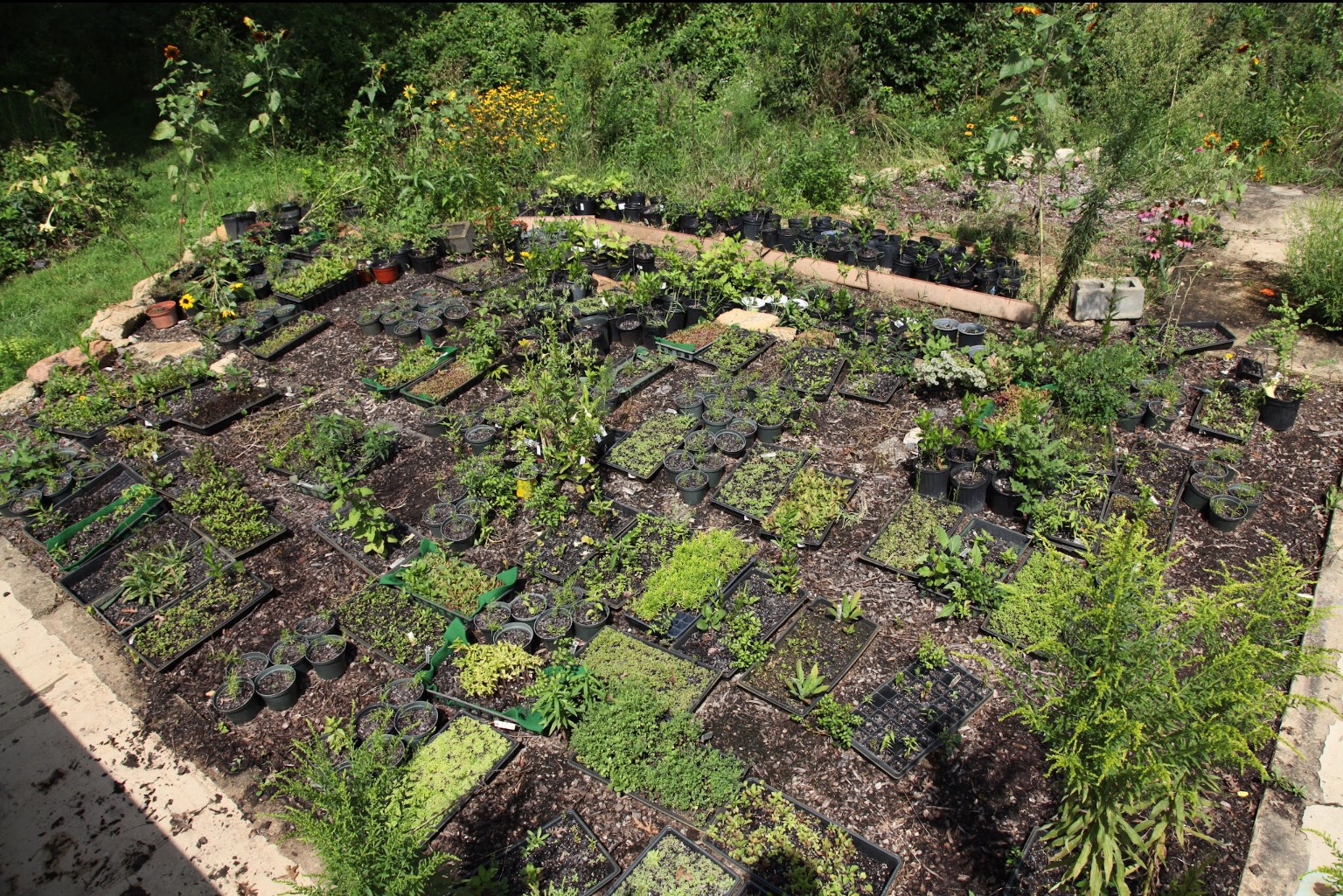
USGS EESC Interagency Wild Bee Lab: "Gardens can help save the world.” In our case saving the world means creating a living space for our friends with out backbones. The insects. And, Oh, birds, squirrels, frogs, turtles and humans. But it is the insects that we will focus on. They are small and a garden can be their complete universe. If you allow that to happen. How does that work? Its all about what you plant. We will provide plenty of literature, but the main points are all about working with native plants (our insects are that picky) and shifting from lawn to plantings. There are many ways to do that. And we are happy to answer questions. Bring pictures of your garden space so that we can point at things when talking with you about changing the world.And, our specialty in this is bees, and we will have loads of ultra high level (as featured in National Geographic) photography that will cause your mind to melt from the beauty you will see. What native plants to use in your garden and blindingly interesting facts about the 4000! species of bees in the U.S. Native Flowering Plants Naturally Hmmm, we will have a small selection of native plants that we can point at, but mostly as a conversation starter.
The center or our exhibit will be made of hemlock logs that we harvested from our research station. We will also have a selfie wall where you can take your picture with a selection of cute, threatening, sexy, blinged, and exquisite bees.
We are the U.S. support group for native bees. We create survey techniques, we help people identify their bees, we have an online museum of bee photographs (Flickr: @usgsbiml). We work on bee / plant interactions and compile lists of bees that use each plant species (this will take decades, but we have a start). We created the bee lab because there were reports of bees declining, but there was zilch for data supporting that and so we decided to change that situation.
See also Sam Droege's energetic and compelling presentation on the Zoom recording, beginning at 34:25. The link is here. You will need the passcode, which is: ?F7+&mSX . Droege notes gleefully that he had no budget for this exhibit and he has no experience in exhibit design, starting with the software for his schematic. The materials are scrounged and the gorgeous images are all public domain.
About the Exhibitor:
The Joint Interagency Bee Lab is a consortium of federal agencies and conservation groups who work on the conservation of native bees. Most of what they do is to support other groups studying and conserving bees. They maintain ID guides, help people plan projects, develop survey techniques for bees, quantify and document what plants bees use, and provide high resolution photographs that are completely public domain for free dissemination and as an online museum of bees.